
在吉隆坡香格里拉,我们诚邀您以更可持续的方式,体验马来西亚的丰富韵味与文化传承。我们以住宿 (Stay)、品味 (Savour)、闪耀 (Shine) 的“三 S”框架为指导,致力于将可持续发展理念融入旅程的每一处细节。酒店很荣幸获得“马来西亚传统美食酒店”称号,并符合东盟绿色酒店标准。我们诚邀宾客体验环保舒适的住宿,品尝马来西亚传统美食菜单和“源于自然”系列的地道菜肴,并支持我们的“拥抱生命之礼”(Embrace the Gift of Life) 社区关怀计划——在守护文化传承的同时,为更可持续的未来贡献力量。

Shangri-La Kuala Lumpur is the country’s first five-star hotel recognised by Jabatan Warisan Negara – the Department of National Heritage under the Ministry of Tourism, Arts and Culture – as a Malaysian Heritage Cuisine hotel partner. The designation follows a formal review by the national heritage authority and chef assessments focused on heritage recipes and techniques, affirming the hotel’s role in preserving Malaysian culinary traditions and sharing them with guests from around the world.
Since 1985, the hotel has celebrated food as a cultural connector, showcasing dishes that enrich tourism and local life while blending Malaysia’s heritage with modern hospitality. A much-loved example is nasi lemak bungkus – coconut-milk rice scented with pandan, wrapped in banana leaf and served with spicy sambal, crispy anchovies, roasted peanuts, a hard-boiled egg and fresh cucumber. In Malay, bungkus means “wrapped”, referring to the small parcels traditionally sold at markets and hawker stalls, often enjoyed as a simple, satisfying start to the day.
Nasi lemak is part of a wider tradition recognised in 2024, when Malaysia’s Breakfast Culture – featuring nasi lemak alongside roti canai and teh tarik – was inscribed on UNESCO’s Representative List of the Intangible Cultural Heritage of Humanity. By serving nasi lemak in its classic bungkus format and other Malaysian dishes prepared with time-honoured methods, the hotel gives guests a taste of home while offering international travellers an authentic introduction to Malaysia’s cuisine.
Rooted in Nature
Rooted in Nature has long been at the forefront of championing sustainable practices in our dining experiences. The initiative includes the hotel’s indoor and outdoor hydroponic gardens, which grow fresh herbs and greens for use in our kitchens, as well as expanded collaborations with local suppliers, including fish farms. These ongoing efforts reflect our commitment to sustainability and support for local communities. By continuing to innovate and work closely with local partners, we aim to promote sustainable, locally sourced cuisine while creating positive impacts for the communities we serve.
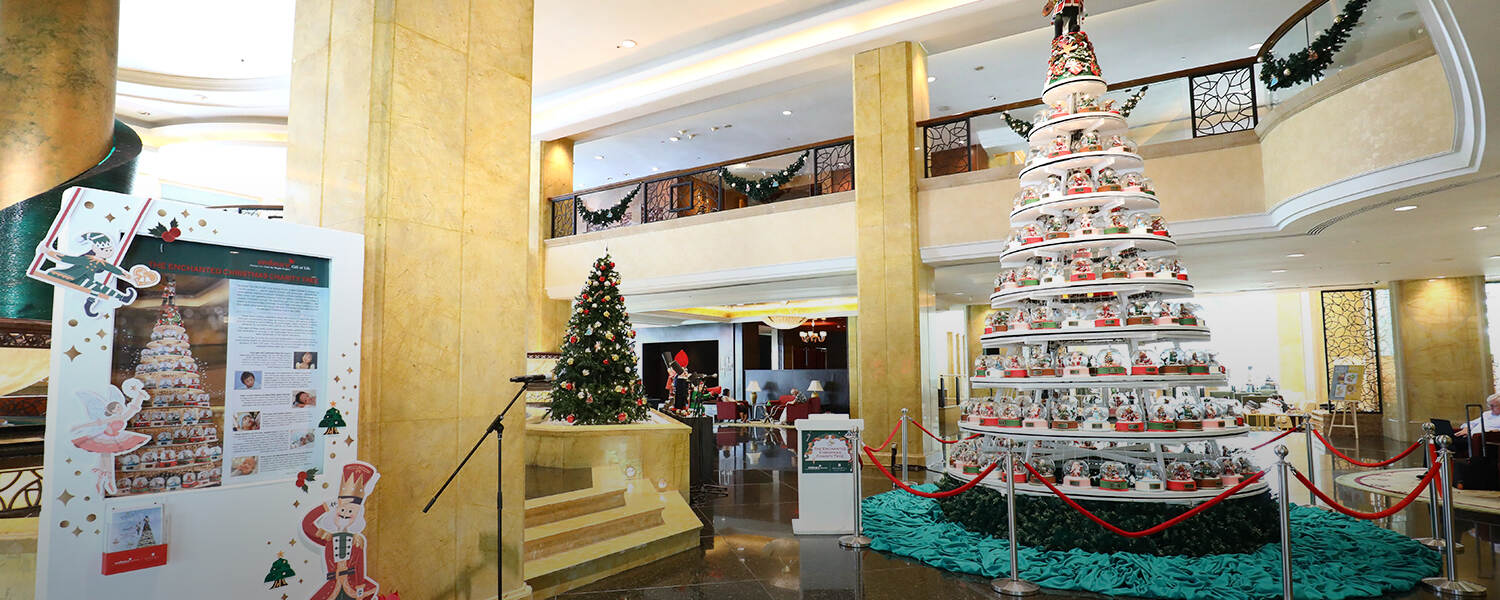
拥抱
吉隆坡香格里拉酒店年度慈善项目“拥抱生命之礼”(Embrace the Gift of Life) 始于 1985 年,旨在帮助患有重症心脏病和其他严重疾病的儿童。迄今为止,酒店筹募金额超过 500 万林吉特,通过这一慈善项目向数百名危重病儿童伸出援助之手。
社区健康
今年 6 月,Kechara Soup Kitchen 向弱势群体发放了 100 份午餐盒饭。Kechara Soup Kitchen 是马来西亚一家服务边缘化社区逾 14 载的非营利非政府组织。
粉红十月
为了响应乳腺癌防治宣传月,为马来西亚乳腺癌防治筹集资金,支持 B40 低收入群体女性接受乳房 X 光检查,早发现早治疗,
酒店捐出了“粉红下午茶”(Pink Afternoon tea) 销售收入的 5% 以及“Bowerhaus 粉红勇气”(Bowerhaus Pink Courage) 的全部收益。
助力新冠肺炎防疫
自新冠肺炎疫情爆发以来,马来西亚各地的一线人员不辞辛劳地勤奋工作,助力遏制病毒传播。为了感谢这些人员的牺牲奉献,吉隆坡香格里拉于 2021 年 7 月至 8 月奉献爱心:
- 每周向金马区 (Dang Wangi) 警察局提供 50 份午餐。
- 每周向班台谷 (Lembah Pantai) 卫生所驻地团队提供 100 份午餐。
世界食品安全日
6 月 7 日,吉隆坡香格里拉庆祝一年一度的世界食品安全日,意在吸引大众关注和动员行动,共同预防、察知和管理食源性风险,改善人类健康。
抗洪救灾
吉隆坡香格里拉携手马来西亚红新月会 (Malaysian Red Crescent Society), 为近期遭受洪灾影响的灾民提供衣物、罐头、大米、个人护理用品等必需品。
环境
多年来,吉隆坡香格里拉积极减少一次性塑料使用,采取措施减轻其对环境的影响:
- 可重复使用的无纺布购物袋在 Lemon Garden 2Go 有售。
- 酒店所有餐厅均使用可生物降解的外卖包装以及餐具、纸吸管和纸杯。
- 在宴会活动中,玻璃瓶罐器皿取代了塑料水瓶。
- 2020 年 4 月,Lemon Garden 餐厅采用节能炉灶为自助餐食保温,减少了 7.4 吨碳排放和 2,668 千克废物。
- 酒店向通过下列认证的供应商采购可持续海鲜:海洋管理委员会 (Marine Stewardship Council, MSC)、水产养殖管理委员会 (Aquaculture Stewardship Council) 和 Rashid Al Qubaisi 集团 (First Quality Certification)。这确保了我们的产品符合可持续捕捞、海鲜可追溯性方面的国际公认标准。
健康与安全
保障所有利益相关者的健康与安全高标准是吉隆坡香格里拉的重中之重。目前,酒店已通过以下质量认证:
- 经必维国际检验集团 (Bureau Veritas) 认证的马来西亚酒店业协会 (Malaysian Association of Hotels, MAH)“Clean & Safe Malaysia”认证
- 必维国际检验集团 (Bureau Veritas) 2020 年 SafeGuard 卫生卓越和安全认证 (SafeGuard Hygiene Excellence and Safety Label)
- ISO 14001 – 环境管理体系 (Environment management System)
- ISO 45001(原 18001)- 职业健康安全管理体系 (Occupational Safety Management System)
- ISO 22000 – 食品安全管理体系 (Food Safety Management System)
- OHSAS ISO 18001 - 职业健康安全管理认证 (Occupational Health and Safety Management Certification)
这有助于实施行之有效的环境管理体系,保障所有利益相关者的健康与安全高标准,并确保酒店着眼地方和全球局面,坚持检视食品安全体系框架、个人卫生和环境卫生标准以及安保措施。
员工
我们的员工以提供卓越的亚式款待而闻名,满怀热情地加倍努力,为尊贵宾客缔造难忘的香格里拉体验。酒店秉承香格里拉品牌文化,把每个人都视为大家庭的一员,给予平等的成长和阅历良机。
供应链
吉隆坡香格里拉致力于扶持地方社区,助力其蓬勃发展。我们携手在企业公民、尊重环境、人权和社会正义等价值观领域志趣相投的本地供应商。我们的目标是提供环保产品,促进社区发展和把握良机。
利益相关者关系
集团接触利益相关者时以坦诚透明为念。我们定期与企业客户和优先客户、供应商、特许经营商户以及本地社区对话,充分解决酒店物业相关的问题。

Shangri-La Kuala Lumpur is the country’s first five-star hotel recognised by Jabatan Warisan Negara – the Department of National Heritage under the Ministry of Tourism, Arts and Culture – as a Malaysian Heritage Cuisine hotel partner. The designation follows a formal review by the national heritage authority and chef assessments focused on heritage recipes and techniques, affirming the hotel’s role in preserving Malaysian culinary traditions and sharing them with guests from around the world.
Since 1985, the hotel has celebrated food as a cultural connector, showcasing dishes that enrich tourism and local life while blending Malaysia’s heritage with modern hospitality. A much-loved example is nasi lemak bungkus – coconut-milk rice scented with pandan, wrapped in banana leaf and served with spicy sambal, crispy anchovies, roasted peanuts, a hard-boiled egg and fresh cucumber. In Malay, bungkus means “wrapped”, referring to the small parcels traditionally sold at markets and hawker stalls, often enjoyed as a simple, satisfying start to the day.
Nasi lemak is part of a wider tradition recognised in 2024, when Malaysia’s Breakfast Culture – featuring nasi lemak alongside roti canai and teh tarik – was inscribed on UNESCO’s Representative List of the Intangible Cultural Heritage of Humanity. By serving nasi lemak in its classic bungkus format and other Malaysian dishes prepared with time-honoured methods, the hotel gives guests a taste of home while offering international travellers an authentic introduction to Malaysia’s cuisine.

To make each stay more sustainable, we have upgraded key building systems, including optimising the chiller plant and transitioning to LED lighting, which together significantly improve energy efficiency. To conserve water, we have installed a rainwater harvesting system that repurposes natural rainfall for garden irrigation. By embedding sustainability into our daily operations, we help ensure that a comfortable stay is delivered with thoughtful, efficient use of resources.
Health and safety are central to Shangri-La Kuala Lumpur’s ESG commitments. The hotel holds recognised certifications, includes MAH “Clean & Safe Malaysia” (verified by Bureau Veritas), Bureau Veritas SafeGuard Hygiene Excellence and Safety Label 2020, ISO 14001 (Environmental Management), ISO 45001 (Occupational Safety), ISO 22000 (Food Safety), and OHSAS ISO 18001 (Occupational Health and Safety). These accreditations reflect a structured approach to environmental management, food safety, hygiene and workplace safety, with systems regularly reviewed to remain aligned with local and global standards.